


The Cider Route in Asturias: The Trail and the Essence of Cider
Discover a 3-day cider trail in Asturias, taking in cider mills, heritage sites, landscapes and places linked to the Way of St James.
Cider and the Way of St James are two genuinely Asturian historical landmarks, which even today provide travellers with unforgettable experiences.
A cider trail to discover the essence of Asturias
Cider culture and the Way of St James share something essential: both form part of Asturias’ historical and emotional identity.
In fact, it is a way of travelling that is connected to the region, its local produce and living traditions, which fits perfectly with the philosophy of Respeturismo.
Amidst cider mills, historic churches, fishing villages and green landscapes, this three-day route invites you to discover the region through an authentic and unhurried lens, connecting with Asturian traditions, heritage and hospitality.
A journey to savour Asturias through its cider, its ‘Caminos’ and its way of life.
Day 1: Among dinosaurs, cider and the sea: Colunga, Llastres and Villaviciosa
Our adventure begins in Colunga, an unmissable stop for families keen to discover the most fascinating side of the Asturian coast. There you’ll find the Jurassic Museum of Asturias (MUJA), a highly interactive venue which offers an entertaining year-round programme of talks, workshops and excursions into the surrounding area to learn about the life of dinosaurs on this stretch of the Asturian coast, and much more.
Both the exterior and interior of the museum are sure to captivate you. Outside, you’ll be impressed by the 39 life-size replicas of different types of dinosaurs, with the added charm of the incredible views of the Cantabrian Sea and the Picos de Europa from the San Telmo plain (where the museum is situated).
Nearby, La Griega beach holds one of the most astonishing palaeontological treasures in northern Spain: the most impressive dinosaur footprints in Asturias, visible on the rocks at low tide.
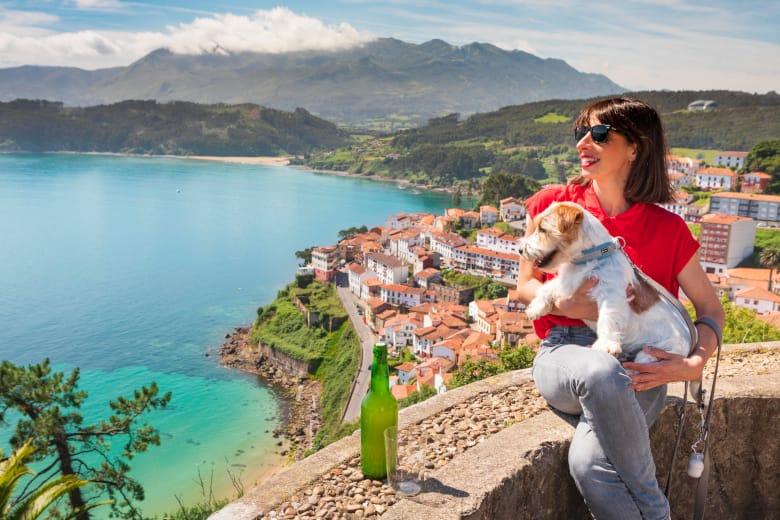
The route continues towards Llastres, one of the prettiest fishing villages in Asturias. Its cobbled streets, the houses perched above the harbour and its viewpoints turn every stroll into a picture postcard. Here, the sea sets the pace of life… and of the local cuisine too. There’s nothing better than stopping to enjoy the local cuisine and getting a taste of the cider-making tradition by visiting one of its cider mills and pomaradas, such as the Llagar Sidra Crespo in Colunga.
Our day ends in Villaviciosa, known as the ‘apple capital’ and a major hub of Asturian cider culture. As well as losing yourself amongst cider houses with an authentic atmosphere, it’s well worth exploring its historical and natural heritage. The Valdediós Monumental Complex, home to both the pre-Romanesque church of San Salvador and the monastery of Santa María, offers a journey straight back to Asturias’ medieval past. And for those seeking nature, the Ría de Villaviciosa Partial Nature Reserve offers tranquil landscapes and an extraordinary wealth of biodiversity.
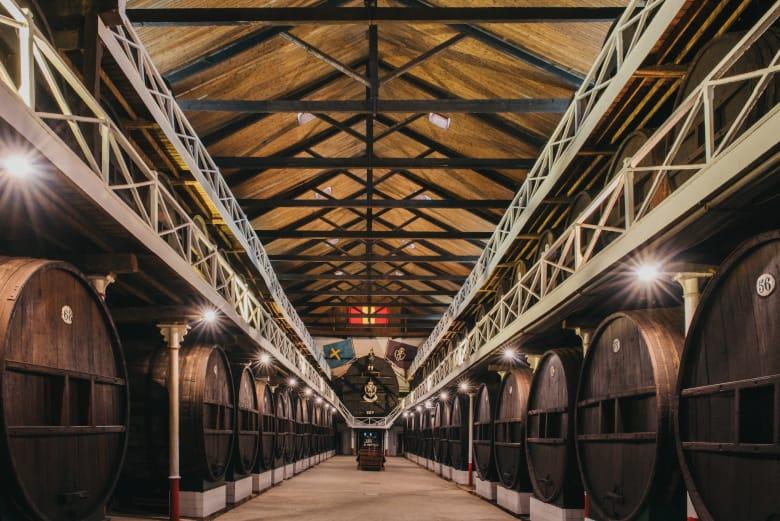
And, of course, cider is a real way of life here. You can find out all about how it’s made by visiting apple orchards and cider mills such as Castañón, El Gaitero, Finca Faces or Cortina, before raising a glass in one of the town’s traditional cider houses.
Day 2: Nature, the Way of St James and the cider-making tradition in Bimenes, Sariego and La Pola Siero
On the second day, we’ll explore the rural heart of Asturias, amidst green landscapes, historic paths and the ever-present aroma of freshly poured cider.
The day could begin in Bimenes, following the Ruta de los Molinos, a pleasant route that winds through woods, past streams and past water-related buildings. It’s the perfect way to connect with nature and traditional Asturian architecture.
From there, the journey continues to Sariego, one of those peaceful corners where time seems to pass more slowly. Here you can follow a section of the Camino de Santiago, enjoying the tranquillity of the rural surroundings and the beauty of the Church of Santa María de Narzana, a jewel of Asturian heritage.
We carry on to the municipality of Siero, where cider culture once again takes centre stage. This area offers a wealth of options for organising immersive visits to cider presses and apple orchards, discovering the entire cider-making process, from growing the apples to the final pouring. Among the recommended visits are Sidra Fran, Arándanos y Manzanas de Muñó, Pumarada and Llagar Palacio de Meres, the Llagar de Quelo and Destaciéndo Maíz, in Llanera.
To round off the day, there’s nothing better than soaking up the atmosphere in La Pola Siero. In Plaza Les Campes, one of the most traditional and lively spots in the municipality, you can experience the authentic spirit of Asturian cider culture amidst outdoor terraces, conversation and Asturian cuisine.
Day 3: Oviedo – culture, heritage and the great cider ritual
The final day takes us to Oviedo/Uviéu, an elegant and welcoming city where history, art and gastronomy intertwine at every turn.
Capital of the ancient Kingdom of Asturias and the starting point of the Camino Primitivo —the first documented route to Santiago—, Oviedo/Uviéu invites you to explore centuries of history, starting with the majestic Cathedral of San Salvador, one of the city’s great landmarks.
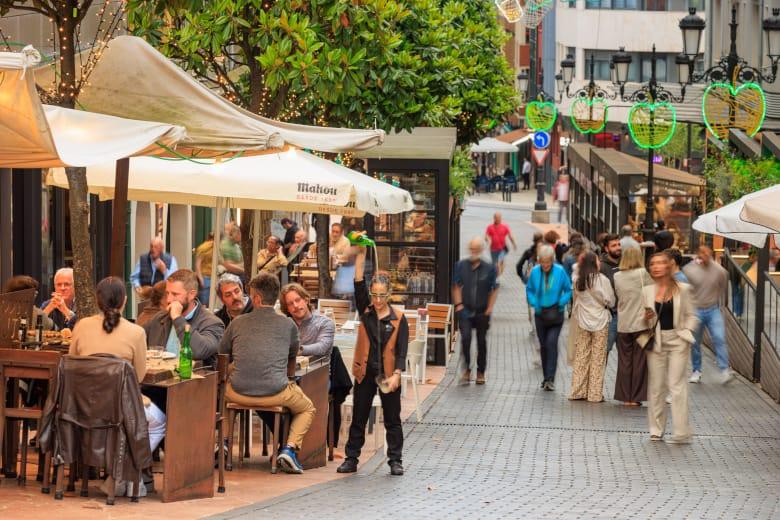
The stroll can continue through El Fontán Market, brimming with local produce and an authentic atmosphere, before ending on the iconic Calle Gascona, known as the Cider Boulevard. Here, the sound of cider being poured accompanies the hustle and bustle of the bars and cider houses, making it the perfect place to enjoy Asturian cider culture and cuisine in a unique setting.
Once we’ve regained our strength, we can continue on to Mount Naranco, where two of the greatest treasures of Asturian Pre-Romanesque art await you: Santa María del Naranco and San Miguel de Lillo, both designated as World Heritage Sites. These unique buildings also offer spectacular views of the Asturian capital.
Once you’ve finished visiting the pre-Romanesque monuments on Mount Naranco, it’s time to delve back into the cider-making tradition by visiting one of the cider mills or ‘pumaradas’ near the Asturian capital, such as Llagar Herminio, in Colloto, where you can experience first-hand the artisanal process that transforms apples into one of Asturias’s greatest symbols.
On this route, you’ll discover the great Asturian cider-making tradition and the cultural landmarks that surround it!
Subscribe to our newsletter and take advantage of offers, discounts, and news
Subscribe
