Paseo de los Hórreos in Güeñu/Bueño
- Güeñu/Bueño Central Asturias
- Distance: 4.35 kms
- Difficulty: Very easy
- Cumulative difference in altitude: +1 m
- Cumulative difference in altitude: -1 m
- Maximum altitude: 119 m
- Minimum altitude: 112 m
- IBP index: 13
- Modality: Families
- Type of route: Circular
- Route type: Mountain
- Return by Train: No
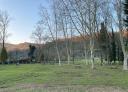
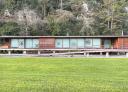
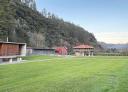
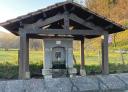
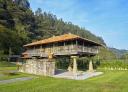
The route begins in the centre of the village, where we can already admire some of these traditional constructions and where there is also a perfectly preserved wash house, testimony to the local way of life. From here, the route heads towards the Hórreo Interpretation Centre, an essential stop to understand the cultural value of these buildings. The centre, designed with a very accessible approach for all audiences and especially recommended for families with children, offers immersive projections, interactive material and practical workshops where you can learn how to assemble a hórreo. After the visit to the centre, the route continues towards the banks of the river Nalón, whose waters have fertilised the surrounding land for centuries, favouring the agricultural development of the valley. Just before reaching the riverbank we find the El Llosalín Recreational Area, another good place to take a break, where, of course, we are welcomed by a perfectly preserved hórreo (granary).
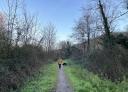
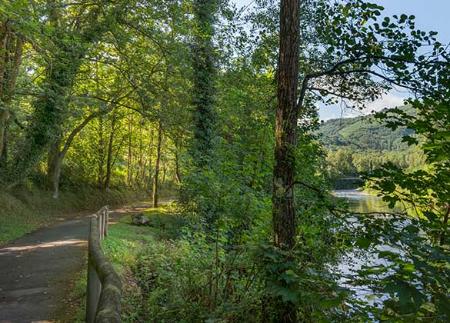
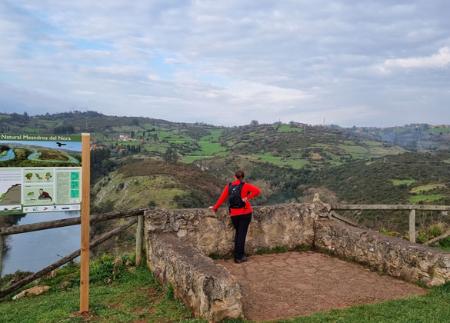
The walk continues along the banks of the river Nalón, within the Río Nalón Special Area of Conservation (SAC), included in the Natura 2000 Network, a stretch where we can enjoy contact with nature while following the route of the GR 106. We continue until we reach La Fonte Baxo, a traditional fountain that reminds us of the importance of water as a central element in the life of the village.
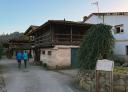
The return to the village of Güeñu/Bueño provides a final opportunity to admire the harmony of its rural architecture: hórreos from different periods (from the 16th to the 20th century), with decorative elements that correspond to the three main Asturian styles: Villaviciosa, Carreño and Allande. The oldest hórreo, from the 16th century, stands out in the centre of the village, with very thick beams that evoke the ancient forests of the area.
Along the route, different explanatory panels help visitors to understand the characteristics of each hórreo and the names of the pieces that make them up, from the pegoyos to the colondras or the cantapaxarinos, explaining the terms and techniques of this centuries-old construction in a simple way.
With just a few kilometres of route, this walk offers a perfect experience to get to know the essence of the Asturian farming world, combining the enjoyment of the natural environment with learning about the ethnographic heritage in one of the best preserved villages around Oviedo.
- It runs partially through the Río Nalón SAC of the Natura 2000 Network.
- The route partially coincides with the GR-106.
Basic tips before going into the mountains
- If you go with a dog, always keep it on a leash.
- Avoid approaching livestock.
- If you find mastiffs protecting livestock, do not approach them, do not pet them and do not feed them. Do not allow them to follow you or stray from their herd. They are working.
- Don't leave a trail. Collect all your waste, including organic waste. Nature is not a dumping ground.
- Act with prudence. Plan your route well, take everything you need and make sure it is adapted to your physical capacity.
 More recommendations for planning your route