Archaeological Route
- Castro Western Asturias
- Distance: 18.2 kms
- Difficulty: Moderate
- Cumulative difference in altitude: +770 m
- Cumulative difference in altitude: -770 m
- Maximum altitude: 821 m
- Minimum altitude: 579 m
- IBP index: 58
- Modality: Hikers
- Type of route: Circular
- Route type: Mountain
- Return by Train: No
The route begins in Castro and climbs up to Chao Samartín, a Bronze Age settlement. It continues to the Roman tunnels of Peñafurada and the burial mounds of Canadeiro, ending with the petroglyphs of La Xorenga, with cupolas and anthropomorphs engraved in the rock.
The route begins in the picturesque village of Castro, whose cobbled streets reflect the traditional charm of western Asturias. This place, a staging post on the Primitive Way, is the start of a route that combines history, archaeology and unique natural landscapes.
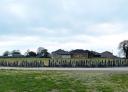
From Castro, the path leads to the Chao Samartín hillfort, one of the most important archaeological sites in Asturias. The origin of the settlement dates back to the Bronze Age (8th century BC), when the first fortified enclosure was established. During the Iron Age, the castro underwent several defensive renovations, and characteristic elements of the castreño habitat were built, such as walls, circular huts and ritual saunas. The Roman occupation transformed the settlement into a prosperous administrative centre under the control of the Imperial army. The settlement was destroyed by an earthquake in the 2nd century AD and later, in the High Middle Ages, a necropolis linked to the Asturian monarchy was built over its ruins.
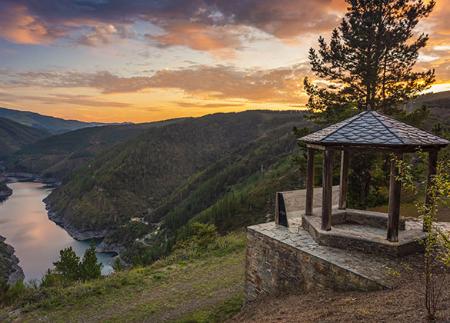
The site also houses a museum displaying objects found during excavations, such as Bronze Age tools, Iron Age weapons and Roman remains, including items of metallurgy and everyday objects. From the museum you can enjoy a privileged view of the site and the middle Navia valley, offering a complete perspective of the historical and geographical context of the site.
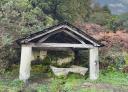
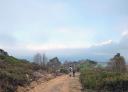
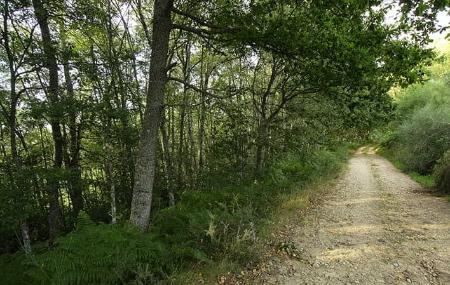
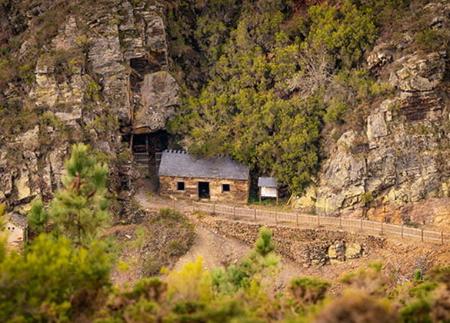
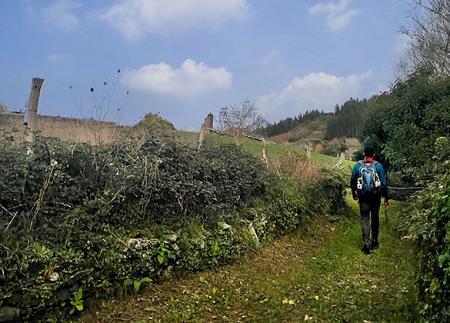
After the visit to the castro, the route continues along stony paths ascending towards a plateau. On the way, the route crosses Peña Lamas before descending towards the Alto del Acebo road. After crossing it, the route continues along an asphalted section that leads to Silvaña and then to Peñafurada, where the Roman tunnels that channelled water to the old gold mines are located. The wooded surroundings, dominated by the Valía stream, add to the charm of this part of the route. The tunnels, although overgrown with vegetation, retain their monumental character and provide an insight into Roman hydraulic engineering.
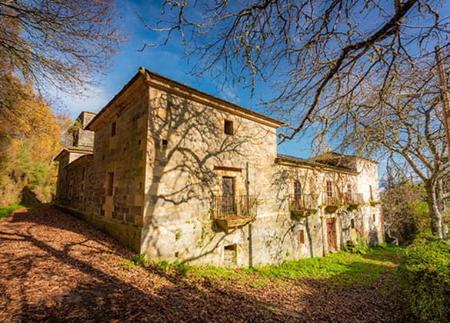
From the Peñafurada tunnels, the path descends to the abandoned village of Soane, where you can see the stone houses and the small chapel that bear witness to the rural way of life in the area. The route then climbs along tarmac tracks towards Xestoso and Xestoselo, where you will find the burial mounds of Canadeiro, a vestige of the first Neolithic settlers.
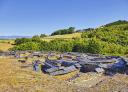
This section also contains the Petroglyphs of La Xorenga, the largest cave paintings found in Asturias. Along some 500 metres, spread over three slate crests, you can see more than 150 small bowls, numerous channels and several anthropomorphs engraved in the rock.
The return to Castro closes an itinerary that combines archaeological heritage, nature and traditional culture in an accessible route for walkers of all levels, also suitable for bicycles. This route is a window to the ancient history of Asturias and a journey through time through its archaeological remains and millenary landscapes.
- The route partially coincides in minor sections with the Primitive Way of St. James.
- Attention to the detour marked next to the Peñafurada tunnels to avoid crossing a bridge in poor condition.
Basic tips before going into the mountains
- If you go with a dog, always keep it on a leash.
- Avoid approaching livestock.
- If you find mastiffs protecting livestock, do not approach them, do not pet them and do not feed them. Do not allow them to follow you or stray from their herd. They are working.
- Don't leave a trail. Collect all your waste, including organic waste. Nature is not a dumping ground.
- Act with prudence. Plan your route well, take everything you need and make sure it is adapted to your physical capacity.
 More recommendations for planning your route