Salmon Top
- Belmonte/Balmonte Central Asturias
- Distance: 9.8 kms
- Difficulty: Easy
- Cumulative difference in altitude: +440 m
- Cumulative difference in altitude: -440 m
- Maximum altitude: 323 m
- Minimum altitude: 107 m
- IBP index: 33
- Modality: Hikers
- Type of route: Linear
- Route type: Mountain
- Return by Train: No
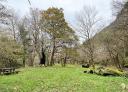
The route runs through a river landscape of great natural wealth, ideal for those in search of nature, history and fauna in a unique setting.
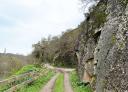
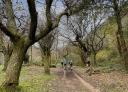
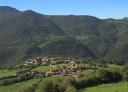
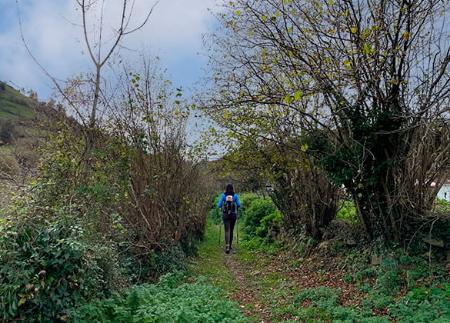
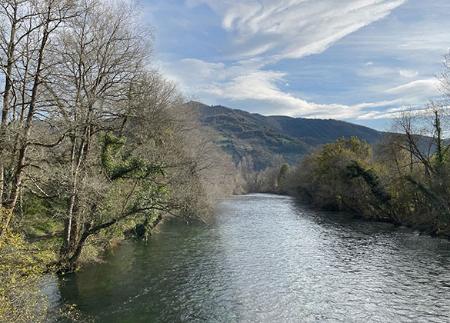
The Salmones Arriba Route begins in Belmonte/Balmonte, next to the church of San Julián, from where the path follows the river Pigüeña downstream. As soon as the route begins, it passes by the remains of the old monastery of Santa María de Lapedo, founded in the 11th century and disentailed in 1835. After leaving behind this historical reference, the path ascends steeply through the area of Escobar, described by Jovellanos in his Diarios as an imposing and breathtaking place: "Along this beautiful road (which some pass on horseback) you go a long way with the rock on your hat, the river under your feet, surprise under your imagination and fear in your chest...". This stretch requires some caution, as it is narrow and steep, but offers spectacular views of the valley.
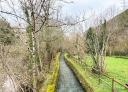
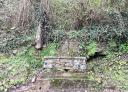
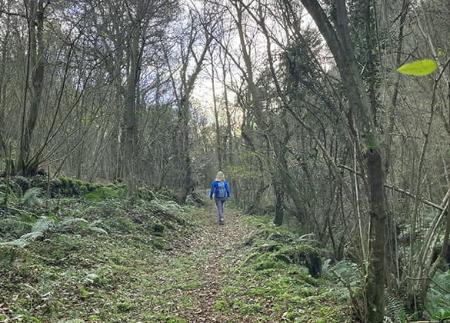
After about an hour's walk, you reach Corias de Abajo, a small rural village from where you descend again towards the river to take a path on the left, which goes down to the canal of the Silviella power station. The path continues along the canal paving, advancing between trees while the river Pigüeña descends beside us. After crossing the canal three times by means of stairs, you reach a track that leads directly to the old Silviella power station, where you can contemplate two reliefs made in 1958 by Vaquero Palacios, symbolising heat and light (Prometheus) and force and movement (Atlas).
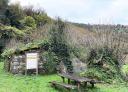
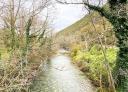
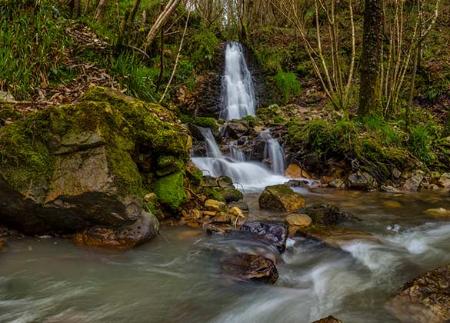
This section is particularly attractive, as it takes us to the recreational area of Las Llavanderas, where the Silviella Salmon Scale is located. During the spawning season, between the end of autumn and the beginning of winter, it is possible to observe the salmon trying to swim up the river. The route continues parallel to the Pigüeña, among a riverside forest inhabited by otters, grey herons and kingfishers.
The route continues until it reaches San Cristóbal, where you can rest before returning.
The return is along the same path, again enjoying the riverside vegetation and the changing views of the river. Alternatively, it is possible to return using public transport from San Cristóbal to Belmonte/Balmonte. This route, of moderate difficulty, combines history, river scenery and native fauna, making it an ideal option for those who enjoy nature trails with ethnographic content. Due to the fact that the first section can be very difficult, it is recommended that those less used to walking in the mountains start the route in Silviella.
- It runs partially through the Río Pigüeña SAC of the Natura 2000 Network.
- PR-AS 138
- This route coincides with a section of the GR-205 and to a lesser extent the GR-109.
Basic tips before going into the mountains
- If you go with a dog, always keep it on a leash.
- Avoid approaching livestock.
- If you find mastiffs protecting livestock, do not approach them, do not pet them and do not feed them. Do not allow them to follow you or stray from their herd. They are working.
- Don't leave a trail. Collect all your waste, including organic waste. Nature is not a dumping ground.
- Act with prudence. Plan your route well, take everything you need and make sure it is adapted to your physical capacity.
 More recommendations for planning your route