Agüeira Green Path
- Vilanova Western Asturias
- Distance: 14.91 kms
- Difficulty: Difficult
- Cumulative difference in altitude: +579 m
- Cumulative difference in altitude: -579 m
- Maximum altitude: 824 m
- Minimum altitude: 503 m
- IBP index: 69
- Modality: Hikers
- Type of route: Circular
- Route type: Mountain
- Return by Train: No
In Santa Eufemia, a stop at the Ecomuseum of Bread allows you to discover the traditional bread-making process. The path climbs through oak and holly trees to impressive viewpoints, before descending to ethnographic gems such as a beekeeping curtain and a stone wash house, witnesses of Asturian rural life.
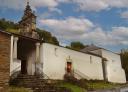
The route starts next to the Villanueva de Oscos Town Hall. Less than 100 metres in the opposite direction to the route is the Monastery of Santa María, founded in 1137 by King Alfonso VII and his wife Berenguela. For centuries, this monastery was the organisational centre of the agrarian and economic space of western Asturias.
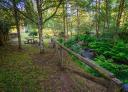
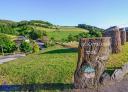
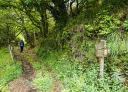
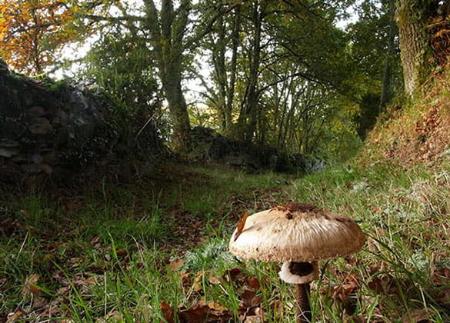
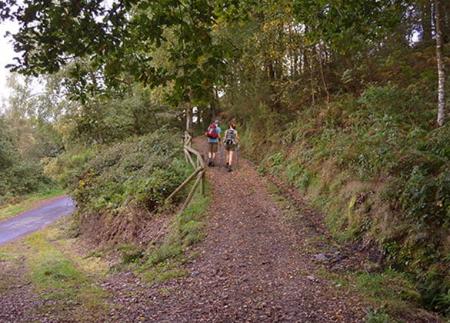
From the Town Hall, we take a path that leads to the cemetery, from where the route descends between rural houses and old buildings to Santa Eufemia. At this point, there is a recreational area of the same name, an ideal place to take a break before starting the ascent to El Vale and Pena Grande, where you can see the enigmatic Piedra del Tesoro (Treasure Stone). In this part of the route, the path crosses a native forest of birch, oak and holly trees, providing shade and a peaceful environment.
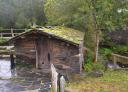
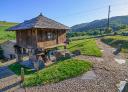
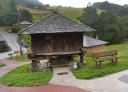
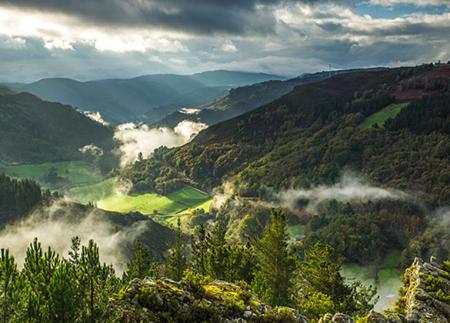
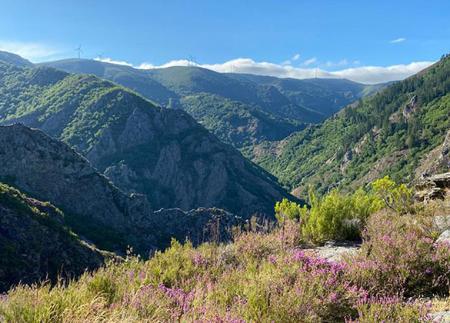
The path continues through the brañas of Lama, Chao de Bureiros and A Folgueirúa, ancient mountain pastures where the views open up to the impressive mountain scenery of the Oscos. The descent begins by crossing the Morán and Ceilán streams, until we reach the Villanueva stream. Before crossing it, we find a cortín, a sturdy stone construction used in the past to protect the beehives from the attack of bears and other predators.
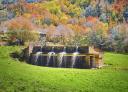
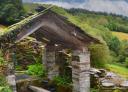
On reaching the village of Samamede, the route passes next to a traditional washing place, a witness to the rural life of yesteryear, when these spaces were a meeting point and a place for community work. From here, the path crosses the road and climbs up to Pacios, crossing a leafy oak grove. In this area, the route offers an authentic view of the rural environment, with meadows, small crops and cattle grazing in the fields.
Finally, the trail returns to Santa Eufemia, where you will find the Ecomuseum of Bread, a space dedicated to the baking tradition of the area, where you can learn about the process of making homemade bread in traditional ovens. From here, there is only one last stretch of ascent to Vilanova, completing an itinerary that combines natural landscapes, traditional architecture and ethnographic heritage.
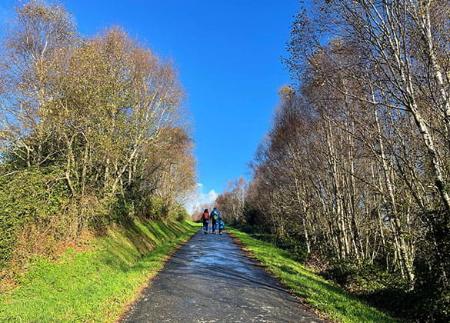
This route is ideal for those looking for an accessible route, well signposted and with strategically located rest areas, allowing you to fully enjoy the nature and history of the Oscos.
- It runs through the Biosphere Reserve Río Eo, Oscos e Terras do Burón.
- PR-AS 241
- Road sections
Basic tips before going into the mountains
- If you go with a dog, always keep it on a leash.
- Avoid approaching livestock.
- If you find mastiffs protecting livestock, do not approach them, do not pet them and do not feed them. Do not allow them to follow you or stray from their herd. They are working.
- Don't leave a trail. Collect all your waste, including organic waste. Nature is not a dumping ground.
- Act with prudence. Plan your route well, take everything you need and make sure it is adapted to your physical capacity.
 More recommendations for planning your route