Route of the Dawn
- Soto Central Asturias
- Distance: 13.64 kms
- Difficulty: Moderate
- Cumulative difference in altitude: +416 m
- Cumulative difference in altitude: -416 m
- Maximum altitude: 791 m
- Minimum altitude: 429 m
- IBP index: 52
- Document: Accessibility
- Modality: Hikers
- Type of route: Round trip
- Route type: Mountain
- Return by Train: No
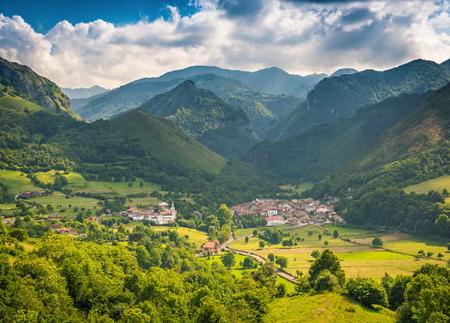
Waterfalls, pools and cascades embellish this easy and familiar route, between forests and mountains, in the heart of the Redes Natural Park. Undoubtedly one of the most iconic routes in Asturias.
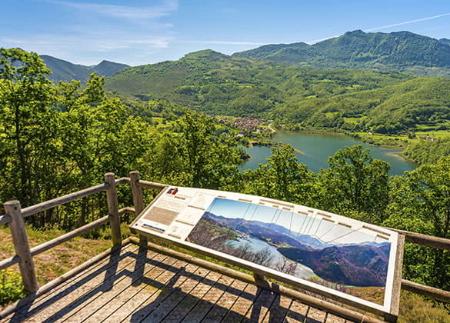
The Ruta del Alba is one of the best known and busiest trails in the Redes Natural Park, and for good reason. Declared a Natural Monument, this linear route of some 14 km (outward and return) combines scenic beauty, history and accessibility, making it one of the most popular hiking routes in Asturias.
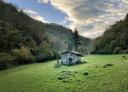
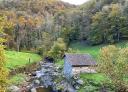
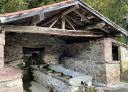
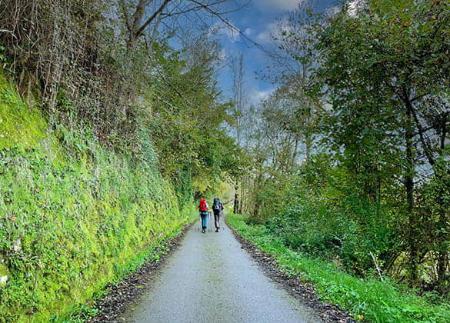
The route begins in the village of Soto, in the council of Sobrescobio, where examples of traditional architecture such as granaries, wooden corridors and an old washing place can still be seen. After crossing the village, take a wide track, restricted to traffic, which enters the valley of the river Alba or Llaímo, following its course in a southerly direction. During the first stretch, the path runs between meadows and small farms, and shortly after the first kilometre, you reach the fish farm, the first direct contact with the river.
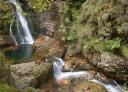
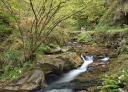
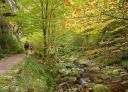
The route winds its way comfortably through a wooded area with chestnut, oak and hazelnut trees, and soon enters the Desfiladero del Alba, where the valley narrows and the river meanders closer and closer to the path. From kilometre 2 onwards, the spectacle of water becomes the protagonist: pools, backwaters, small waterfalls and springs follow one after the other along the route, offering a constant symphony of natural sounds.
On this stretch you pass by curious formations such as "el Vigilante", a rock in the shape of a horn, and you reach Campurru, where the remains of the old loading bay of the Carmen mine are still preserved. The reddish tones of the minerals contrast with the green of the surroundings and are a reminder of the valley's mining past, linked to the extraction of iron in Pandanes.
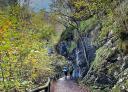
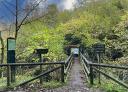
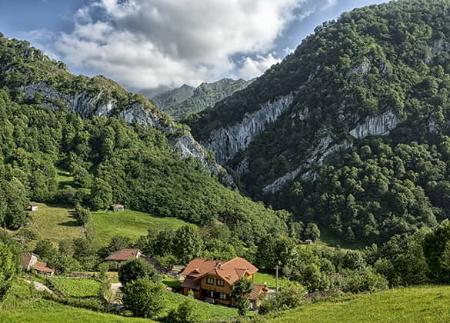
The path continues towards the Llaímo valley, where it forks. The path to the left takes us into the Llaímo gorges, the narrowest and most spectacular stretch of the route. Here the track becomes a path that meanders between high limestone and quartzite walls, crossing the river over old stone bridges such as La Pontona and the Resquiebra bridge. The waterfalls, the shapes eroded by the water and the lush vegetation make this part of the route a unique sensory experience.
The end of the route is reached at Cruz de los Ríos, a wide meadow surrounded by beech trees and presided over by the silhouette of Retriñón peak. Here there is a well-equipped recreational area and an old refuge, ideal for resting before returning along the same route.
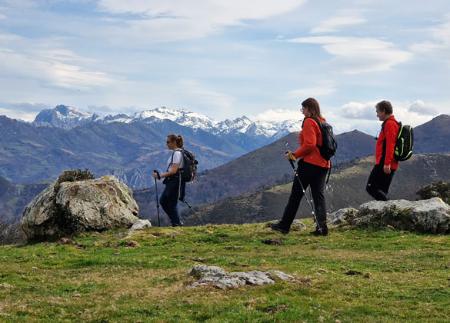
The Ruta del Alba offers a complete experience, with accessible sections, mining history, spectacular scenery, waterfalls, forests and crystal clear pools. Ideal for both expert hikers and those who wish to enjoy a quiet day in nature, it is, without doubt, one of the jewels of the Redes Natural Park and Biosphere Reserve.
- It runs through the Redes Natural Park and Biosphere Reserve, this area also being a ZEC and ZEPA of the Natura 2000 Network.
- PR-AS 062
Basic tips before heading out into the mountains
- If you’re taking a dog with you , always keep it on a lead.
- Avoid approaching livestock.
- If you come across mastiffs guarding livestock, do not approach them, stroke them or feed them. Do not allow them to follow you or stray from their herd. They are working.
- Leave no trace. Pick up all your rubbish, including organic waste. Nature is not a rubbish tip.
- Be sensible. Plan your route carefully, take everything you need and make sure it’s suitable for your fitness level.
 Further recommendations for planning your route
- Please note: The route description is for guidance only and reflects the conditions of the route at the time of writing. The condition of the paths, their accessibility and signposting may vary over time due to natural causes, maintenance work, access restrictions or other circumstances. Before setting off, it is advisable to check the current conditions of the route, consult the weather forecast and assess whether it is suitable for each person’s experience and physical fitness.