
Gijón-Avilés
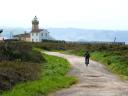
- Gijón/Xixón, Candás, Lluanco/Luanco, Avilés
- Distancia: 63 kms
- Dificultad: Dura
- Ascenso acumulado: 1202 m
- Altitud máxima: 108 m
- Altitud mínima: 1 m
- IBP index: 85
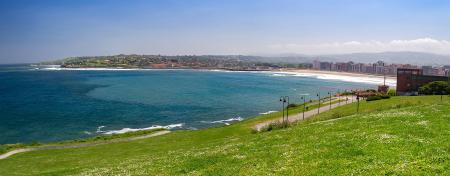
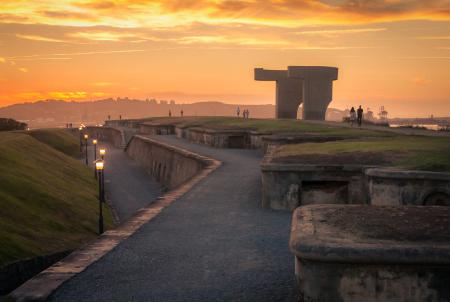
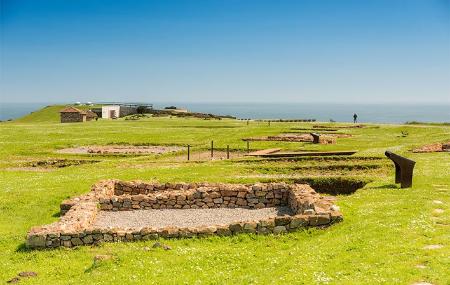
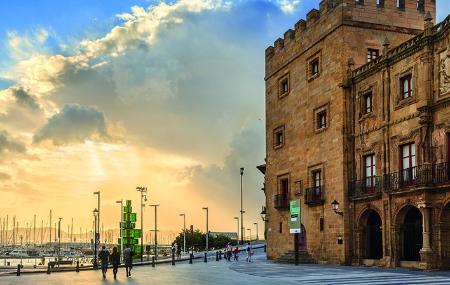
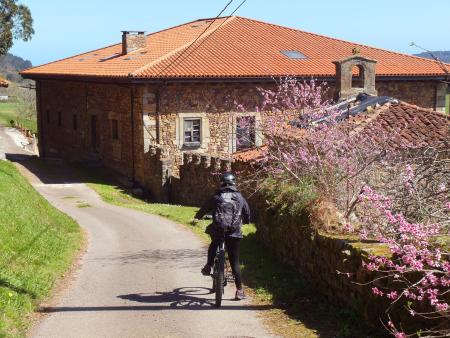
La ruta sale de Gijón/Xixón por la antigua carretera de Avilés, atravesando la zona portuaria e industrial hacia el Oeste. En la Avda. del Lauredal tomamos el camino de Rubín y seguimos el track por caleyas hasta llegar al Parque Arqueológico-Natural de la Campa Torres, a 7 km del centro de Gijón/Xixón, una visita que si bien alarga la ruta, merece la pena. Retrocedemos unos 3 km por donde vinimos y retomamos ruta.
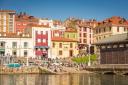
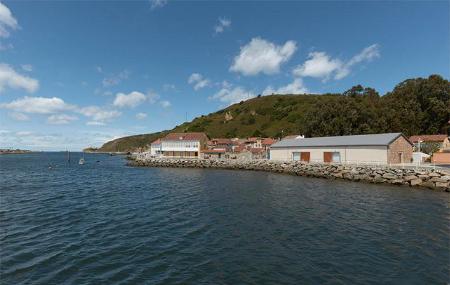
Seguimos el track bajando una zona de pendiente pronunciada, y atravesamos el parque de carbones de Aboño. Continuamos hacia la Playa de Xivares, y tomamos la carretera CE-4 atentos al track, para discurrir por una serie de carreteras locales y pistas que nos llevarán hasta el apeadero de Perlora, y de allí nos incorporamos a la carretera AS-388 para llegar a Candás, pueblo marinero con mucho encanto donde se puede hacer una visita al puerto, el paseo marítimo y el muelle pesquero. El trazado original de la ruta contempla el paso por la Vía Verde del Tanqueru, pero en la actualidad se encuentra cerrado por desprendimientos de rocas.
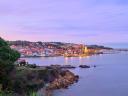
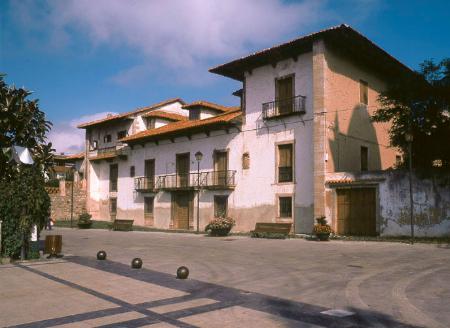
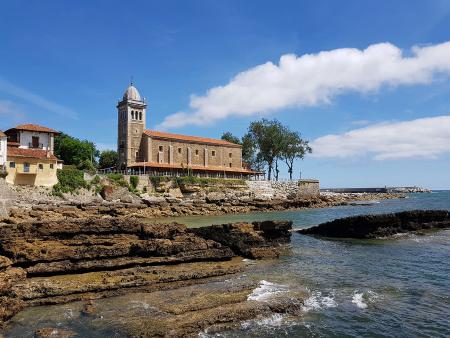
Se continúa por la carretera AS-388 hasta la Ensenada de Antromero, para tomar carreteras secundarias, viendo el mar Cantábrico en el recorrido, hasta la localidad marinera de Lluanco/Luanco. Allí merece una parada el casco histórico, donde destacan la iglesia de Santa María (Monumento Histórico Artístico) y la Casa de los Menéndez de la Pola (Bien de Interés Cultural), entre otros.
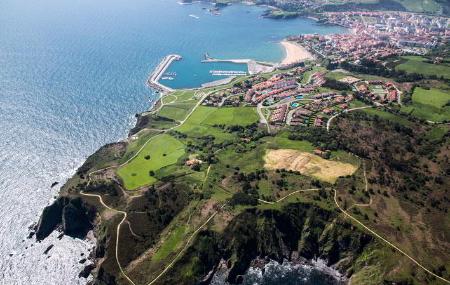
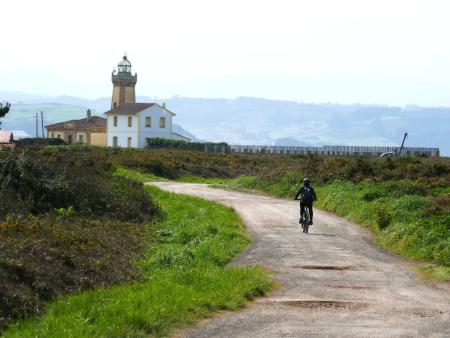
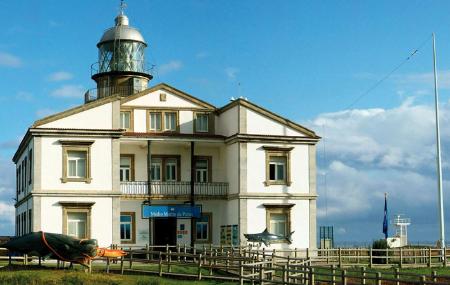
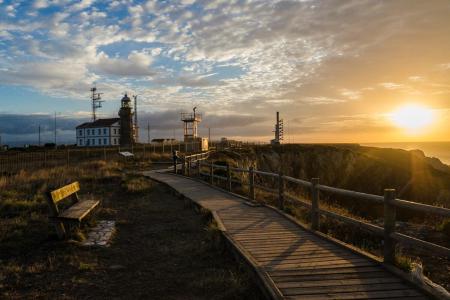
Seguimos la ruta, siguiendo las pistas y caminos que nos indica el track, hasta el Cabo Peñas. Desde aquí se puede observar la belleza de este Paisaje Protegido: acantilados, islotes y playas de gran valor paisajístico y ecológico. En esta zona hay más de 15 especies de aves marinas. Se calcula que durante la migración del otoño el flujo migratorio supera el millón de aves.
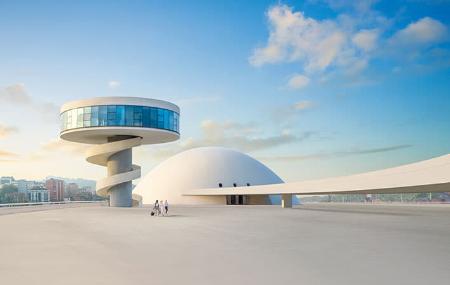
Dejamos atrás el Cabo Peñas y seguimos por carreteras locales pasando por parajes tan bonitos como la playa de Verdicio o la Ensenada de Xagó. A partir de aquí, nos adentramos hacia el fondo de la ría de Avilés, atravesando una zona industrial hasta alcanzar a ver el Centro Niemeyer, referente cultural y edificio inconfundible por su singular arquitectura.
Cruzamos la ría y discurrimos a lo largo de su margen hasta llegar al centro histórico de Avilés, fin de ruta al que llegaremos girando a mano izquierda tras pasar el Parque del Muelle. El conjunto histórico de Avilés se encuentra muy bien conservado, y sorprende muy gratamente al visitante que no lo conoce.
Respetar el sentido de circulación en tramos urbanos.
Precaución con el tráfico hacia las playas en verano.