
The Clarín Trail
- Distance: 15 kms
- Difficulty: Fácil
- Total ascent: 172 m
- Maximum altitude: 164 m
- Minimum altitude: 52 m
- IBP index: 15
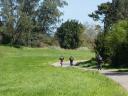
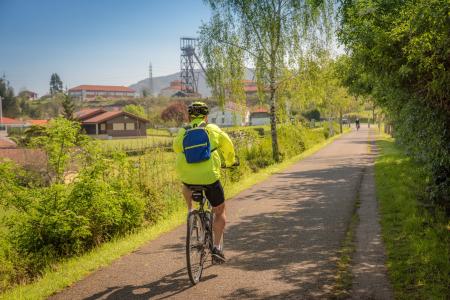
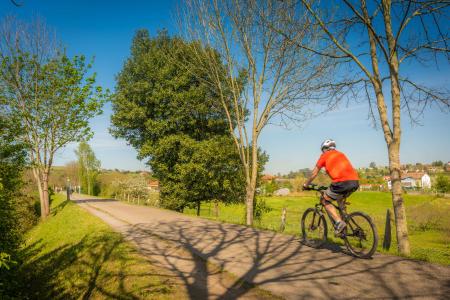
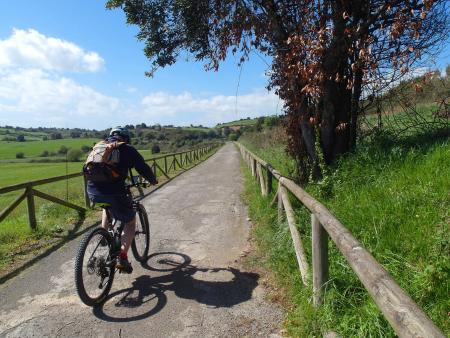
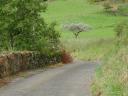
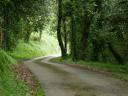
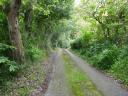
The route starts in the Albandi neighbourhood, which can be reached from the Xibares railway halt via a short two-kilometre walk. The route runs parallel to the valley along local roads in good condition, and its straightforward course, with few obstacles to negotiate, makes it an ideal route for families.
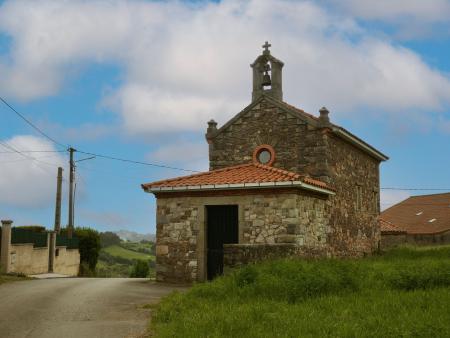
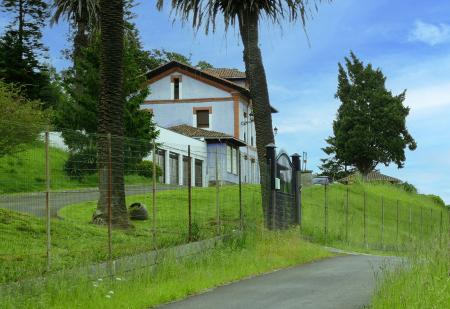
The first section passes through the parishes of Albandi and Priendes, running along the boundary between the pastures and the woodland, offering sweeping views of the valley to the south-west as it follows the “Boroña” route, passing by the Chapel of Santo Ángel de La Guarda. Close to the route, about three hundred metres off the beaten track, lies Quinta Chor (not open to the public), a grand mansion built by returnees from the New World where the painter Nicanor Piñole spent long periods.
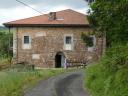
Continuing along the route, we enter “Viaje Redondo”, crossing pastures, often dotted with a variety of fruit trees, until we reach Quinta Clarín, where the writer conceived much of his work. The manor house comprises several buildings, a chapel and a hórreo (traditional granary), as well as the Fuente del Cellero, which serves as a fountain, washhouse, watering place and social gathering spot.
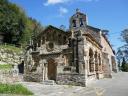
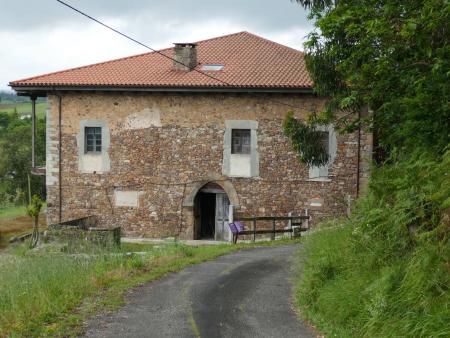
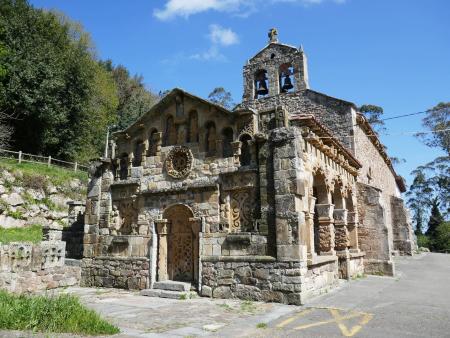
Continuing along the route, we reach the Palacio de Los Carreño, which belonged to what was once the most important family in the municipality; an imposing building that retains its original masonry and one of its coats of arms. From here, just over five hundred metres away, stands the Romanesque church of Santa María La Real de Logrezana, which still retains some original features, although its most recent reconstruction, carried out in the 1940s and again in the 1970s, can be described, to say the least, as ‘unique’.
The route continues parallel to the valley until, at El Lloral, you take a turn-off that climbs a steep slope – the only significant challenge on the route – to reach the schools in Logrezana. This attractive building, still in use today after more than a hundred years, was founded with donations from the emigrant community. From here, the return to the starting point is a gentle descent along the local road that runs through the upper part of the valley.