
Pesoz-Argul-Bousoño


- Pezós/Pesoz
- Distancia: 25 kms
- Dificultad: Muy Dura
- Ascenso acumulado: 1009 m
- Altitud máxima: 723 m
- Altitud mínima: 144 m
- IBP index: 116
- Rutas de un día
- Tipo de bicicleta: MTB
- Tipo recorrido: Circular
- Retorno en Ferrocarril: No
Este itinerario enmarcado entre el impresionante tajo que el río Agüeira asesta a las duras cuarcitas y pizarras, y el río Ahío, aprovechado por mazos y molinos, recurre a la red de pistas forestales para trazar un recorrido por algunos de los lugares más interesantes y desconocidos del concejo.
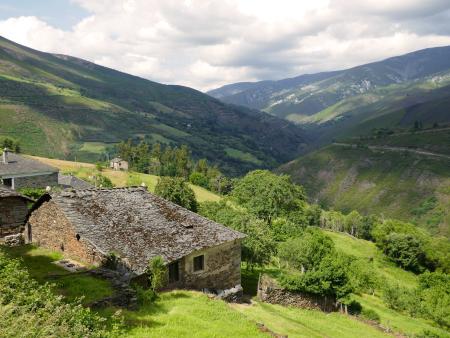
La ruta comienza en Pezós/Pesoz, capital del concejo del mismo nombre, y que merece una visita en sí misma, y desciende por la carretera regional AS-12 durante kilómetro y medio hasta tomar el desvío que, tras salvar el Agüeira, conduce al pueblo de Argul. Esta población medieval declarada Bien de Interés Cultural se caracteriza por su singularidad arquitectónica, con sus galerías, túneles y corredores que comunican muchas de sus edificaciones, destacando el color rojizo de estas y contrastando con los tonos oscuros de la pizarra.
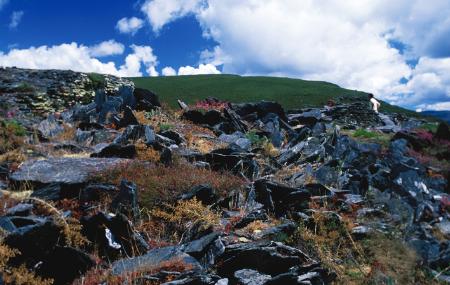
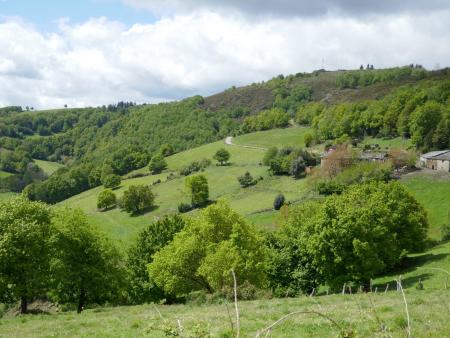
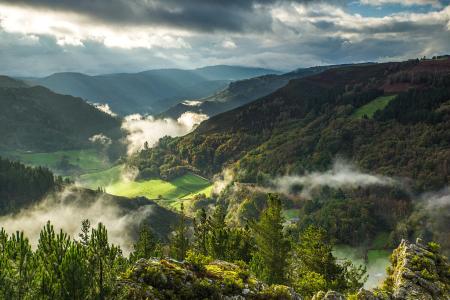
Desde Argul se continúa ascendiendo por el entramado de pistas, atravesando partes de bosque autóctono y zonas de repoblación forestal hasta alcanzar la zona de “chaos”, áreas más llanas convertidas en pastizales en la zona alta, donde las vistas abiertas permiten observar el encajado valle que ha generado el río con el paso del tiempo y las poblaciones de la ladera de enfrente como Vilabriye o Sanzo.
Antes de comenzar el descenso es interesante realizar una visita al Castro de San Isidro, asentamiento defensivo relacionado con las explotaciones mineras del entorno, y con un sistema defensivo caracterizado por la presencia de fosos y piedras hincadas, "caballos de frisia", en sucesivas líneas de losas de pizarra verticales interpuestas. El castro está parcialmente excavado y el acceso se debe realizar caminando.
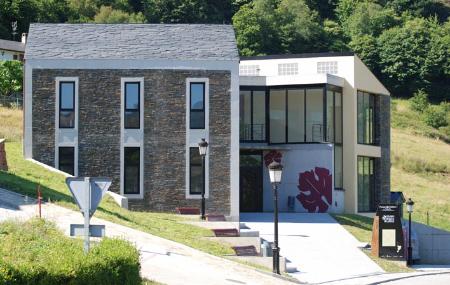
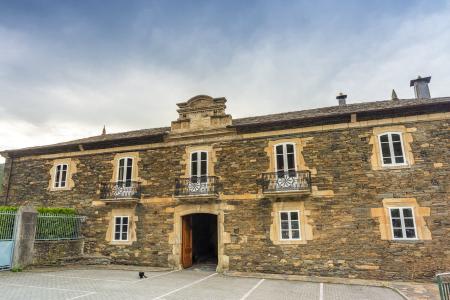
Continuando con la ruta se desciende hasta la cercana aldea de Bousoño, con su lavadero y ermita de San Miguel, y de allí se baja por la ladera entre masas de árboles paralelamente al río Ahío por otra pista forestal para llegar a la carretera de acceso a Argul y regresar a Pezós/Pesoz, donde una visita por el pueblo nos lleva a lugares como el palacio de Ron, la iglesia de Santiago o el Museo Etnológico.