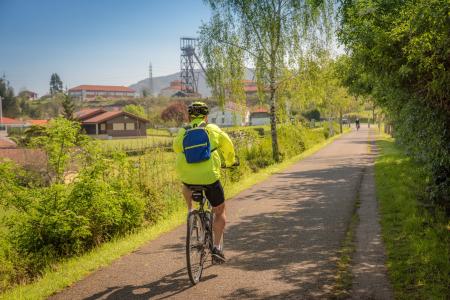

Villaviciosa – Gijón


- Villaviciosa, Tazones, Gijón/Xixón
- Distance: 67 kms
- Difficulty: Muy Dura
- Total ascent: 1220 m
- Maximum altitude: 218 m
- Minimum altitude: 1 m
- IBP index: 123
- Great route,Rasa Costera. Gravel
- Type of bicycle: Gravel
- Type of route: Linear
- Return by Train: No
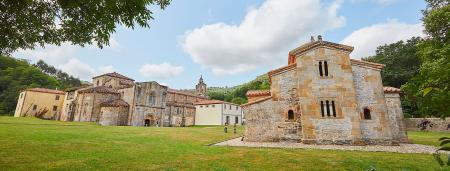
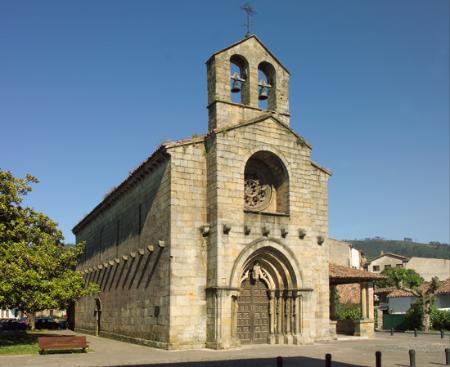
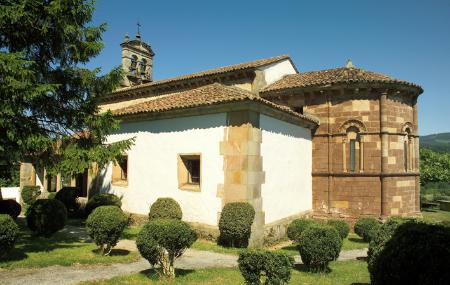
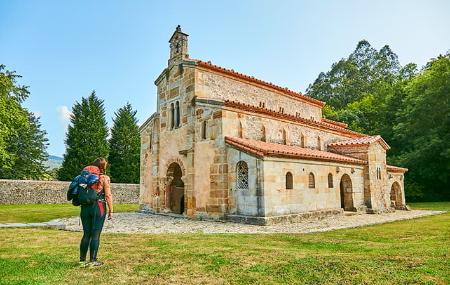
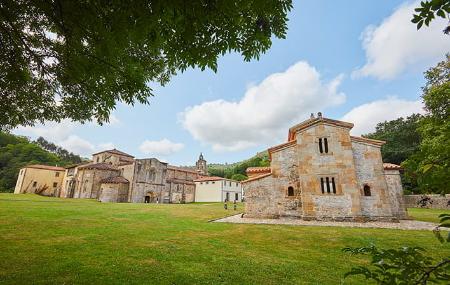
The route begins in the town of Villaviciosa, which boasts a fascinating historic centre, notably featuring the late Romanesque Church of Santa María de la Oliva, and we continue towards San Juan de Amandi along the AS-256a road to visit the Romanesque church. We carry on towards Ambás to visit the Valdediós Monumental Complex, comprising the Church of San Salvador de Valdediós – a key example of Asturian pre-Romanesque architecture – and the Cistercian Monastery of Santa María la Real de Valdediós.
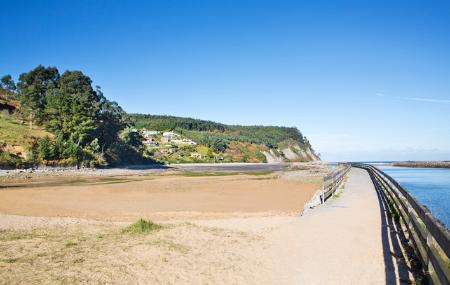
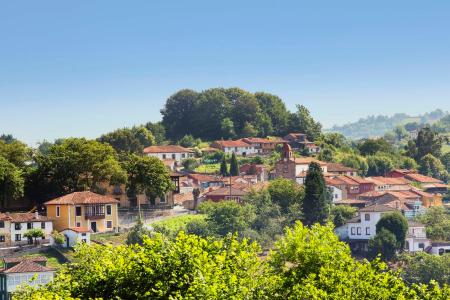
We continue along the Pueyes road, following the track at the junctions (some of which are unmarked), heading back towards Villaviciosa. We leave Villaviciosa via the AS-256, and further on we take the VV-5 road towards Playa del Puntal, along the left bank of the Ría de Villaviciosa (a Nature Reserve of high ecological value due to its scenic beauty and ornithological interest).
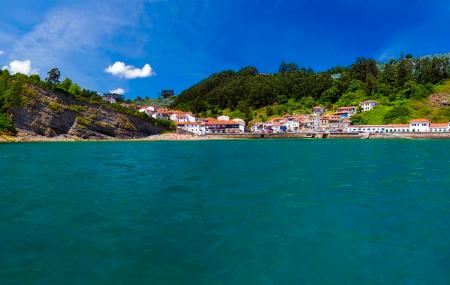
We continue along the route and, if we wish, we can visit the village of Tazones, a fishing village where Charles V once landed and which is famous, amongst other things, for its small harbour. At low tide, dinosaur footprints can be seen on the coast, and the area around the lighthouse – one of the best-preserved on the Asturian coast – is also well worth a visit.
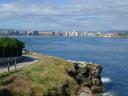
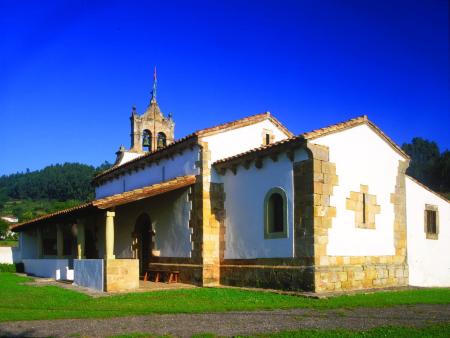
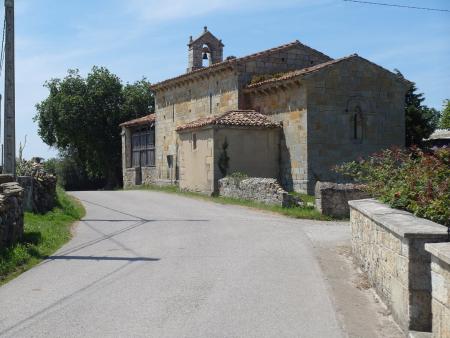
We continue along the VV-5, following the route along tarmac tracks through hamlets and meadows, passing by the Romanesque church of Santa Eulalia de La Lloraza, and carry on towards Gijón/Xixón, but not before stopping to admire the city from the La Providencia viewpoint.
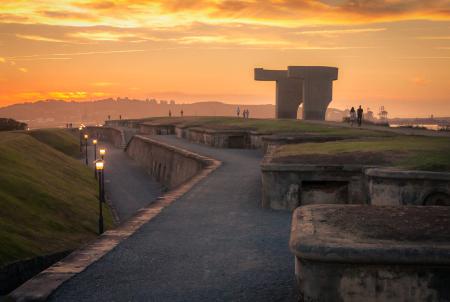
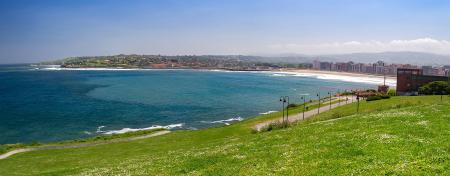
The city of Gijón/Xixón opens out onto the sea and has a very flat topography; it boasts a large number of cycle lanes that make getting around easy. It is a city well worth exploring; at the very least, you should visit the old fishing district of Cimavilla, home to Jovellanos’s birthplace, the hill of Santa Catalina with its sculpture by Chillida on the cliff, the Revillagigedo Palace, which houses an international art centre, and the Modernist buildings… But the Jovellanos Theatre, the Botanical Gardens and the Universidad Laboral are also well worth a visit.
Observe the direction of traffic on urban stretches of road.