
/documents/39908/1670098/fabes-con-almejas.jpg/79e3e656-3c9a-c444-595b-38437005ee98?t=1687331590948
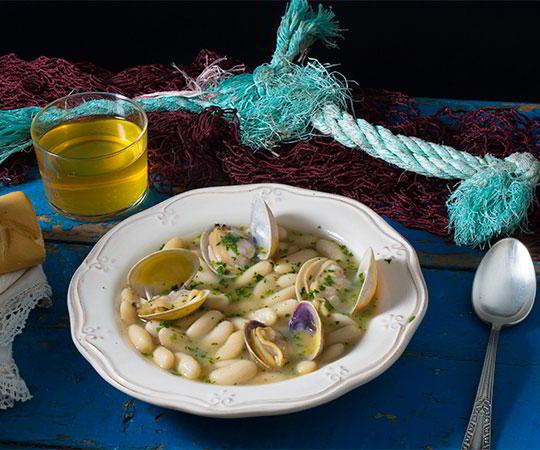
Die asturischen Kochrezepte sind gesund, lecker und äußerst vielfältig. Tatsächlich sind sie ein wesentlicher Bestandteil des asturischen gastronomischen Universums, das von einer intensiven Geschichte, einer starken Identität, einer verwurzelten Tradition, einem immensen Reichtum und Qualität der Rohstoffe sowie einer bemerkenswerten Präsenz der geografischen und menschlichen Landschaften geprägt ist.
Geschichte und Tradition sind zweifellos zwei charakteristische Merkmale dieser unverwechselbaren und einzigartigen Persönlichkeit der asturischen Küche, die in hunderten von unterschiedlichen Kochrezepten tausendfache Formen und Geschmäcker annimmt.
In diesem kulinarischen Kosmos gibt es traditionelle Rezepte, die von Generation zu Generation weitergegeben werden, sowie neuere Kreationen, die auf Kreativität und Erfahrung der Autoren basieren, jedoch stets die Identitätsmerkmale berücksichtigen, die die Küche der Landschaft in Asturien definieren.
/documents/39908/1670098/postre.jpg/4a966005-ebda-32db-cb38-b2859f6b1dc1?t=1687331593151
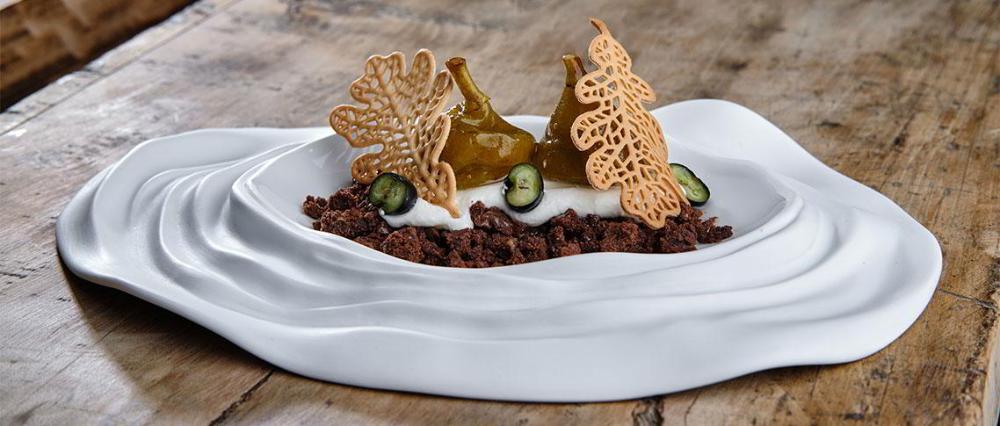
Das Ergebnis der Interaktion verschiedener Quellen, die die asturische Gastronomie ernähren, ist brillant und einzigartig, was dazu führt, dass die Küche in Asturien zu einer der Hauptattraktionen für Einheimische und Auswärtige wird.
Den Naturparadies durch seine vielfältigen und ausgezeichneten Kochrezepte zu genießen, ist immer ein einzigartiges Erlebnis, das dich zu unvergesslichen Momenten und Emotionen reisen lässt.
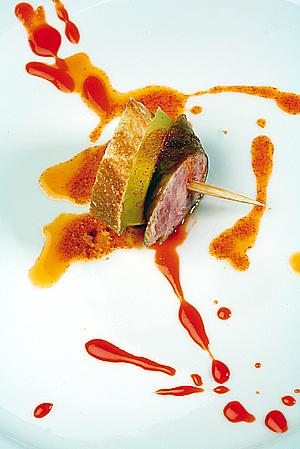
Longaniza blanca de Avilés mit Kichererbseneintopf und Kartoffeln
- Zeit: 2 Stunden
Zutaten
Für 4 Personen:
- 1 kg Longaniza Blanca de Avilés, gekocht in einem spanischen Kichererbseneintopf mit seinem Compango.
Zubereitung
Sobald der Kichererbseneintopf gekocht ist, wird die Weißwurst aus den hinzugefügten Soßen entfernt, da sie aufgrund ihrer Beschaffenheit noch gekocht werden muss. Die Brühe wird entfernt und die Wurst weiter gekocht, bis sie weich genug ist, um gegessen zu werden.
Dieser Fond wird für die spätere Zubereitung anderer Weißwürste verwendet, ohne dass die übrigen Zutaten den gesamten Kochprozess durchlaufen müssen. Bei dieser zweiten Verwendung des Fond sollte der Salzgehalt kontrolliert werden, denn je länger der Fond gekocht wird, desto mehr Salz nimmt er auf und salzt die Wurst zu stark.
In der gleichen Brühe und in einem separaten Gefäß die zuvor im richtigen Verhältnis geschnittenen Kartoffeln kochen und während des Kochens einige Safranfäden hinzufügen, um ihnen ein wenig Farbe zu verleihen. In einem geschlossenen Gefäß 1/4 l Olivenöl und etwa 100 g leicht scharfe Paprika hinzufügen und leicht kochen, später abkühlen lassen.