
Asturias, one of the best places to watch the solar eclipse
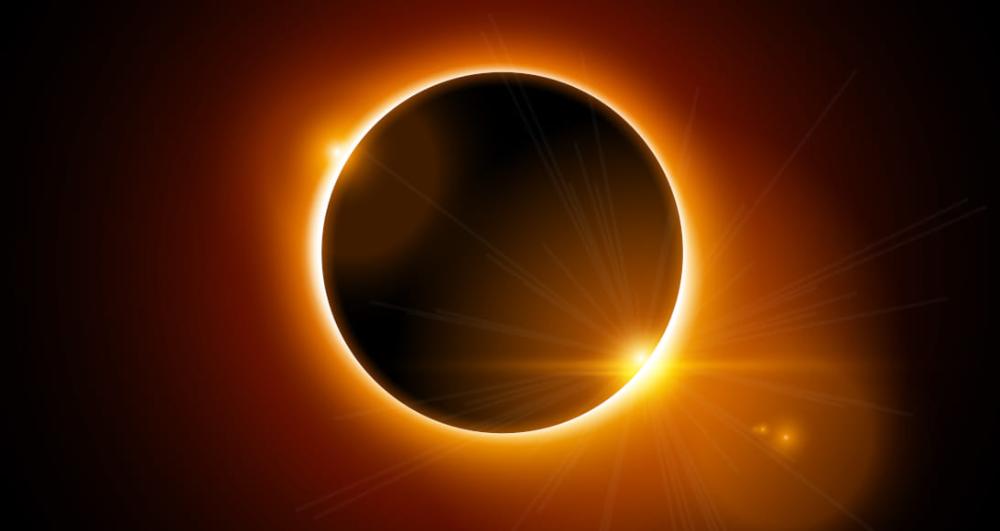
An astronomical phenomenon not seen since 1905
On 12 August 2026, Asturias will witness a spectacle not seen for over one hundred and twenty years: a total solar eclipse. For a few minutes, it will turn dark in the middle of the day and the Sun will disappear, obscured by the Moon. This is a phenomenon that we have not witnessed in Asturias since 1905, and we will not see it again from our region for several decades.
Therefore, this summer, weather permitting, we will have a unique and once-in-a-lifetime opportunity to enjoy this astronomical event, which will undoubtedly make the region a prime destination for astronomers, tourists and curious onlookers alike.
What is a total solar eclipse and why is it important?
A total solar eclipse occurs when the Moon passes between the Earth and the Sun, completely obscuring the Sun’s disc for a few minutes. Although solar eclipses are relatively common, they are only visible as total eclipses within a very narrow strip of the Earth’s surface.
These events are of great scientific importance to the international community, as they enable the study of various properties of the atmosphere and the corona of our star, which will be visible with great clarity.
Asturias, within the path of totality of the eclipse
In the case of the 2026 event, Asturias lies within the path of totality, with Oviedo situated almost exactly in the centre. Not only that, but it is one of the best places to view the eclipse.
This is because, as it lies further west than other regions of Spain that are also within the path of totality, the Sun will be higher above the horizon at the moment of maximum, around 8.30 pm. In other, more easterly areas, the eclipse will not be visible in its entirety as the Sun will set before the eclipse is over, whereas in Asturias the whole event will be visible before the Sun sets.
Furthermore, it will be one of the areas where totality lasts the longest, with an estimated duration of 1 minute and 48 seconds from Oviedo, and almost the same duration from Ribadeo. This makes the Asturian region a prime vantage point from which to observe and enjoy this phenomenon.
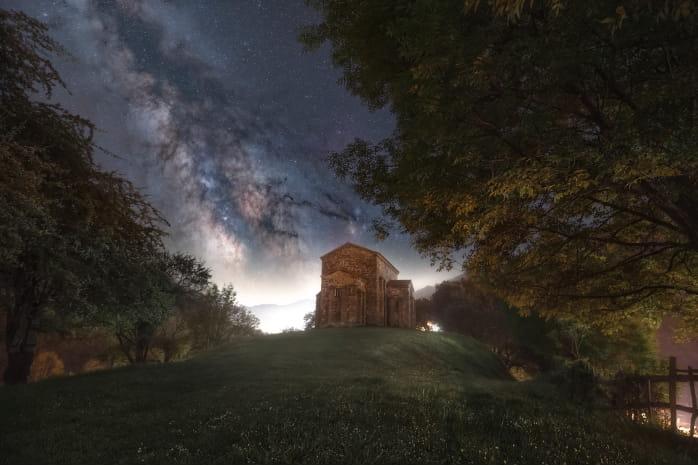
Santa Cristina de Lena and the Milky Way
How to watch the eclipse safely
Eclipses must always be viewed safely, as you must never look directly at the Sun without proper protection. You may only view it directly during the period of totality, when the Sun is completely obscured by the Moon.
At all other times, special eclipse glasses that comply with the ISO 12312-2 standard must be used, or other methods of indirect observation, such as projecting the image of the Sun through a small hole in a sheet of paper – a very simple technique known as pinhole projection (a homemade ‘camera obscura’).
To observe it, you must also choose an elevated spot with unobstructed views to the west, as the eclipse will occur at sunset, around 8.32 pm. Some good locations might include mountainous areas, beaches with wide-open views or certain viewing points.

Observing a solar eclipse
How to choose the best place to watch the eclipse
The choice of where to view the eclipse should be made in advance, looking for a location that meets your needs and offers a clear view of the western horizon.
To help with this planning, Asturias has set up a network of 78 viewing points, one for each local council, spread across the region.
The 2026 eclipse is boosting astronomy tourism in Asturias
There is no doubt that the 2026 eclipse represents a great opportunity for astronomy tourism inAsturias (Opens in a new tab). Active tourism and science outreach organisations, astronomical societies, local councils, universities, educational institutions and the Government of the Principality of Asturias itself have begun planning activities to make the most of this unique moment.
The eclipse will be accompanied by an extensive programme of activities, including public viewing sessions, talks, workshops and cultural events taking place both on the day of the event and throughout the year.
Enhanced public transport services
The Principality’s arrangements include a special transport plan to facilitate travel to the viewing points. Among the
main measures planned, the following stand out:
- A general increase in service, with more frequent services, higher-capacity vehicles and extended operating hours.
- Expansion of the shuttle services as part of the ‘Enjoy the Summer, We’ll Take You There’ programme, which covers 36 routes across 30 local councils.
- Extension of operating hours until 11.00 pm on shuttle services providing access to viewing points.
- Increased frequency on regular routes to areas with the highest tourist numbers, particularly coastal destinations.
- Metropolitan services have been extended until 1.00 am in the central area (Oviedo/Uviéu–Gijón/Xixón–Avilés) and associated corridors (Gijón/Xixón–Candás–Lluanco/Luanco), as well as on the Piedrasblancas–Avilés route, which serves Salinas.
You can check the shuttle bus timetable and the special public transport plan to organise your journey on the day of the eclipse.
For full details about the eclipse, the scheduled activities and recommendations for enjoying the phenomenon safely, visit the official website for the 2026 total solar eclipse in Asturias.
This astronomical event, already known as the ‘event of the century’, will be visible in full detail from this natural paradise – undoubtedly one of the best places in the world to observe it.
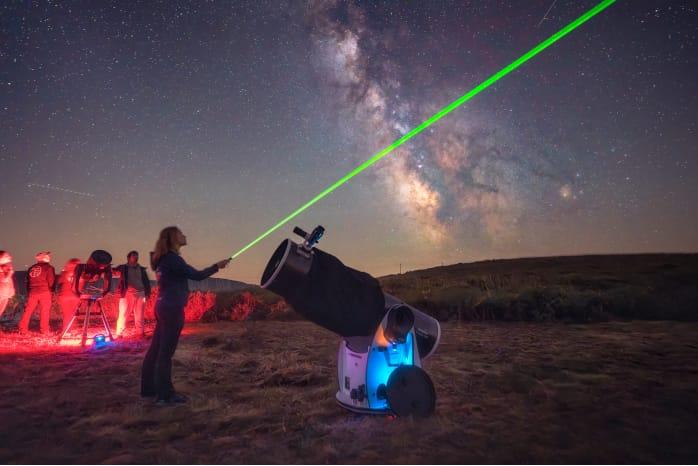
Stargazing in Allande