
Teverga
- Capital: La Plaza
- Region: Camín Real de la Mesa
- Contact Information
- Phone: 985 764 293
- Email: info@tevergaturismo.com
- Site: Visit
Images


Info
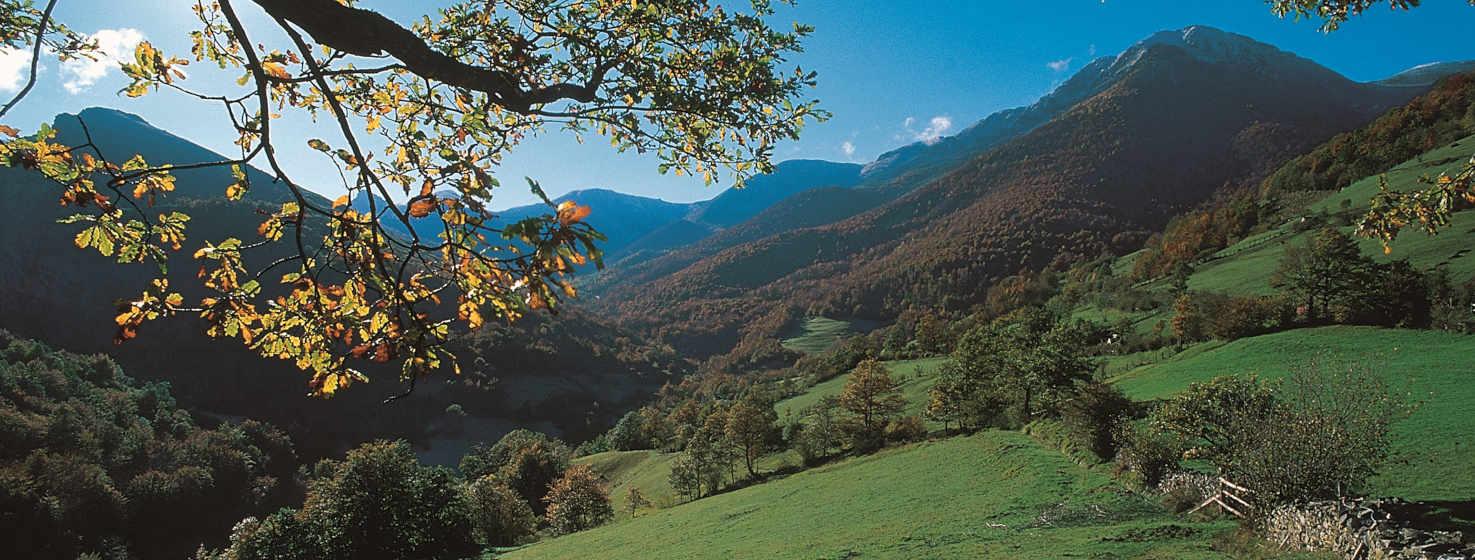
Winner of the 2013 Asturias Exemplary Town Award, Teverga has been inhabited since prehistoric times, as evidenced by the Fresnéu rock-shelter paintings. Throughout history, and owing to its location on the border with the Meseta, it has witnessed many passages: that of the Roman legions along the Camín Real de la Mesa; that of the relics via the Puerto de Ventana – a natural link with León – and those of so many others who found in Teverga a prosperous and bountiful land on which to farm, tend livestock on the mountain pastures, or extract from its depths the coal from one of the richest seams in Asturias.
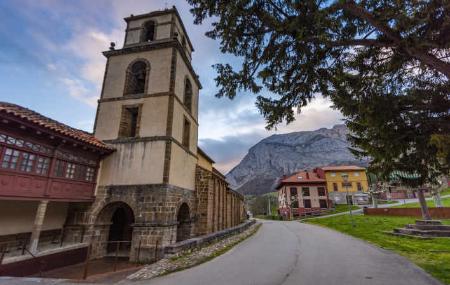
Today it forms part of the Ubiñas-La Mesa Natural Park, which it shares with Quirós and Lena, and which has been designated a Biosphere Reserve; Teverga offers visitors a wealth of natural landmarks: the Peña Sobia, an immense limestone mass; the Marabio Passes with their natural lakes, chasms and caves; the Xiblu waterfall; the San Lorenzo Pass, which links the area to Somiedo; the Huerta Cave; and the Ventana Pass. As for facilities, there is the Prehistory Park in San Salvador D’Alesga, where visitors can see reproductions of rock art from across the Atlantic Arc, and in terms of religious heritage, the Collegiate Church in La Plaza stands out in particular – one of the few in Asturias that also boasts the ‘magical’ historical element of the mummies of the Marquis of Valdecarzana and his son, the bishop – as does the Cébrano Chapel. Teverga’s mining heritage is evident in the form of headframes, such as that of the San Jerónimo Shaft in Santianes.
Teverga also offers visitors the chance to visit the Collegiate Church of San Pedro and its cloister. Furthermore, the Senda del Oso trail runs through Teverga in two sections: one descending towards Tuñón and another which, from Entrago, provides access to the Prehistory Park and the Huerta Cave.
Furthermore, in the area around San Salvador D’Alesga, you can see the ruins of the ancient Alesga Castle, one of the few remaining examples of civil architecture from Antiquity and the Middle Ages in Asturias. There are also ethnographic features such as the brañas and the corros.
This is Teverga: distinctive, prehistoric, border town, mining and rural.
Population: 1,933
Area: 168.86km²
What to see
- Fresnéu Prehistoric Park and Rock-Art Shelters.
- The Collegiate Church of San Pedro and the Church of Santa María de Villanueva.
- The Montegrande Beech Forest Educational Trail, which ends at the famous Xiblu Waterfalls.
- The Bear Trail, comprising two sections: one leading to the bear enclosure and the other to Cueva Huerta, passing through the Prehistoric Park.